Hand-Carved Luxury Furniture: Craftsmanship Meets Elegance
- vemula karthik
- Oct 7, 2025
- 5 min read

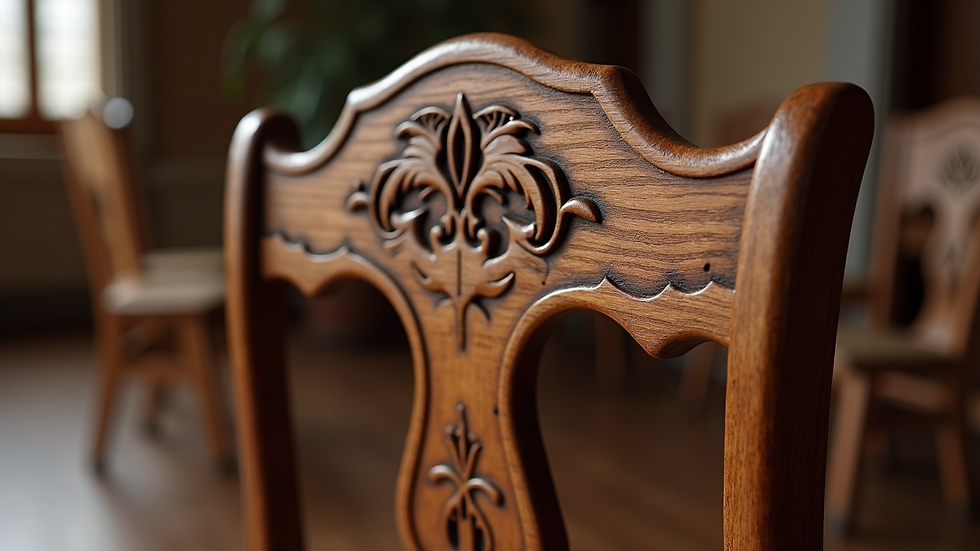
When you think of luxury furniture, what comes to mind? Perhaps it is the smooth finish of a beautifully crafted table or the intricate details of a hand-carved chair. Hand-carved luxury furniture represents more than just a place to sit or a surface to eat on. It embodies artistry, tradition, and a commitment to quality that mass-produced items simply cannot match.
In this blog post, we will explore the world of hand-carved luxury furniture, highlighting its craftsmanship, elegance, and the unique stories behind each piece.
The Art of Hand-Carving
Hand-carving is a time-honored technique that requires skill, patience, and a deep understanding of the materials used. Craftsmen often spend years honing their skills, learning to transform raw wood into stunning works of art.
Why Choose Hand-Carved Furniture?
Unique Designs: Each piece of hand-carved furniture is unique. No two items are exactly alike, which means you are investing in something special.
Quality Materials: Hand-carved furniture is often made from high-quality woods like mahogany, oak, or walnut. These materials not only look beautiful but also stand the test of time.
Sustainability: Many artisans source their wood from sustainable forests, ensuring that their work is environmentally friendly.
Cultural Heritage: Hand-carving often reflects the culture and traditions of the region where it is made. This adds a layer of history and significance to each piece.
Investment Value: Hand-carved furniture can appreciate in value over time, making it a wise investment for collectors and homeowners alike.
The Craftsmanship Behind Hand-Carved Furniture
The craftsmanship involved in creating hand-carved furniture is nothing short of remarkable.
Tools of the Trade
Artisans use a variety of tools to create their masterpieces. Some of the most common tools include:
Chisels: These are used to carve intricate designs into the wood. Different sizes and shapes allow for a range of details.
Gouges: Similar to chisels, gouges have a curved blade that helps create rounded shapes and textures.
Rasps and Files: These tools help smooth out rough edges and refine the details of the carving.
Clamps: Essential for holding pieces in place while the artisan works on them.
The Process of Creation
Creating hand-carved furniture is a multi-step process that can take weeks or even months. Here’s a simplified overview:
Design: The artisan begins with a design, often sketching it out on paper.
Selection of Wood: Choosing the right piece of wood is crucial. The grain, color, and texture all play a role in the final product.
Rough Carving: The artisan starts by removing large sections of wood to create the basic shape.
Detail Work: This is where the magic happens. The artisan uses chisels and gouges to add intricate details.
Sanding and Finishing: Once the carving is complete, the piece is sanded to a smooth finish. A protective finish is then applied to enhance the wood's natural beauty.
Final Assembly: If the piece has multiple components, they are assembled at this stage.
Styles of Hand-Carved Furniture
Hand-carved furniture comes in various styles, each with its own unique characteristics.
Traditional Styles
Baroque: Known for its dramatic curves and ornate details, Baroque furniture often features intricate carvings of flowers, leaves, and other natural elements.
Rococo: This style is characterized by its playful and asymmetrical designs. Rococo furniture often includes soft, flowing lines and elaborate carvings.
Victorian: Victorian furniture is known for its heavy, dark woods and intricate carvings. It often features motifs like scrolls, flowers, and animals.
Modern Styles
Minimalist: Modern hand-carved furniture often embraces simplicity. Clean lines and subtle carvings create a sleek look.
Scandinavian: This style focuses on functionality and natural materials. Hand-carved elements are often subtle, enhancing the overall design without overwhelming it.
Industrial: Combining raw materials with hand-carved details, industrial furniture often features a mix of wood and metal for a unique look.
Caring for Hand-Carved Furniture
To ensure your hand-carved furniture remains beautiful for years to come, proper care is essential.
Cleaning
Dust Regularly: Use a soft, dry cloth to dust your furniture regularly. This prevents dirt from building up in the carvings.
Avoid Harsh Chemicals: Use gentle cleaners specifically designed for wood. Harsh chemicals can damage the finish and the wood itself.
Maintenance
Reapply Finish: Depending on the type of finish used, you may need to reapply it every few years to protect the wood.
Check for Damage: Regularly inspect your furniture for any signs of damage, such as cracks or loose joints. Addressing these issues early can prevent more significant problems later.
The Value of Hand-Carved Luxury Furniture
Investing in hand-carved luxury furniture is not just about aesthetics; it is also about value.
Long-Term Investment
Hand-carved furniture can appreciate in value over time. As more people seek unique, high-quality pieces, the demand for hand-carved items continues to grow.
Heirloom Quality
Many hand-carved pieces are designed to last for generations. This means that your investment can become a family heirloom, passed down through the years.
Supporting Artisans
By purchasing hand-carved furniture, you are supporting skilled artisans and their craft. This helps preserve traditional techniques and ensures that these skills are passed on to future generations.
Where to Find Hand-Carved Luxury Furniture
Finding the perfect piece of hand-carved furniture can be an exciting journey.
Local Artisans
One of the best ways to find unique hand-carved furniture is to visit local artisans. Many craftsmen have workshops where you can see their work and even commission custom pieces.
Online Marketplaces
There are numerous online platforms dedicated to handmade and artisan goods. Websites like Etsy and specialized furniture sites often feature hand-carved items from talented artisans around the world.
Antique Shops
Antique shops can be treasure troves for finding hand-carved furniture. Look for pieces with a story, as they often come with a rich history that adds to their charm.
The Future of Hand-Carved Furniture
As we move into a more digital age, the demand for handcrafted items is on the rise. People are increasingly seeking unique, sustainable, and high-quality products.
Embracing Technology
While traditional hand-carving techniques remain essential, many artisans are beginning to embrace technology. This includes using digital design tools to create intricate patterns before carving.
Sustainability Focus
With growing awareness of environmental issues, many artisans are prioritizing sustainable practices. This includes sourcing wood from responsibly managed forests and using eco-friendly finishes.
Final Thoughts on Hand-Carved Luxury Furniture
Hand-carved luxury furniture is more than just a functional item; it is a work of art that tells a story. Each piece reflects the skill and passion of the artisan who created it.
Investing in hand-carved furniture means choosing quality, uniqueness, and sustainability. Whether you are looking for a statement piece for your living room or a beautiful dining table, hand-carved furniture offers elegance and craftsmanship that will enhance any space.
As you explore the world of hand-carved luxury furniture, remember that you are not just purchasing an item. You are investing in a piece of history, a testament to the artistry of skilled craftsmen, and a beautiful addition to your home.


Comments